One of the first questions clients often ask is:
How much does an event cost in Dubai?
The difficulty is that there is no meaningful single answer.
A 100-person corporate event could be a relatively simple hotel function with basic AV and background entertainment.
It could also be a fully produced gala dinner with custom staging, LED screens, live entertainment, branding, lighting, photography and transport.
The guest count may be identical.
The cost can be completely different.
The better question is:
What does this event actually need, and where should the budget be spent?
Understanding the main cost areas makes it much easier to build a realistic event budget and avoid expensive surprises later.
Start With the Complete Scope
Before assigning numbers, define the event.
At minimum, establish:
- Event type
- Date
- Venue
- Guest numbers
- Timings
- Audience
- Event objective
- Production requirements
- Entertainment requirements
- Catering
- Transport
- Branding
- Staffing
- Budget range
The clearer the scope, the more accurate the budget becomes.
A vague brief produces a vague quotation.
If the requirement is simply described as “corporate event for 200 people”, there may be dozens of completely different ways to deliver it.
Venue Costs
The venue is often one of the most significant costs.
Depending on the event, venue-related costs may include:
- Room hire
- Minimum food and beverage spend
- Catering packages
- Service charges
- Furniture
- Outdoor space charges
- Additional rooms
- Supplier access fees
- Technical charges
- Security
- Parking or valet
- Overtime
Some hotels structure pricing around food and beverage rather than a straightforward room-hire fee.
Other venues charge separately for almost everything.
This is why the headline venue price rarely tells the whole story.
A venue that appears cheaper initially may require significantly more spending on furniture, production or catering.
Food and Beverage
For many corporate events, food and beverage is a major part of the budget.
Costs can vary depending on:
- Guest numbers
- Buffet or plated dinner
- Canapés
- Beverage packages
- Alcohol
- Coffee breaks
- Lunch
- Live stations
- Menu level
- Service style
- Duration
A full-day conference may require registration coffee, morning break, lunch and afternoon refreshments.
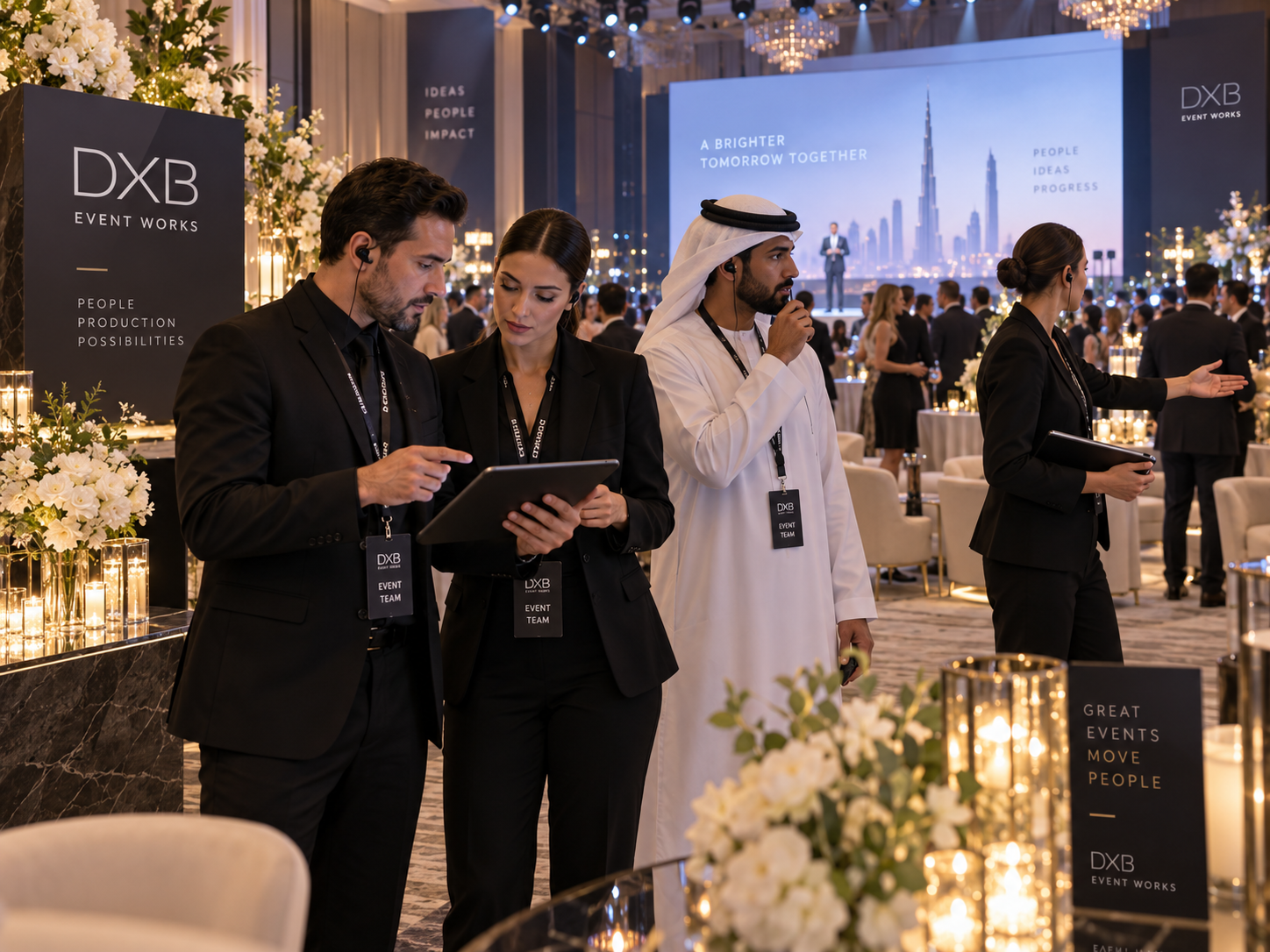
A gala dinner may involve welcome drinks, canapés, a three-course meal and an evening beverage package.
These are very different budgets.
The catering format should be established early because it can significantly influence both the venue choice and overall cost.
event production
Production is one of the areas most frequently underestimated.
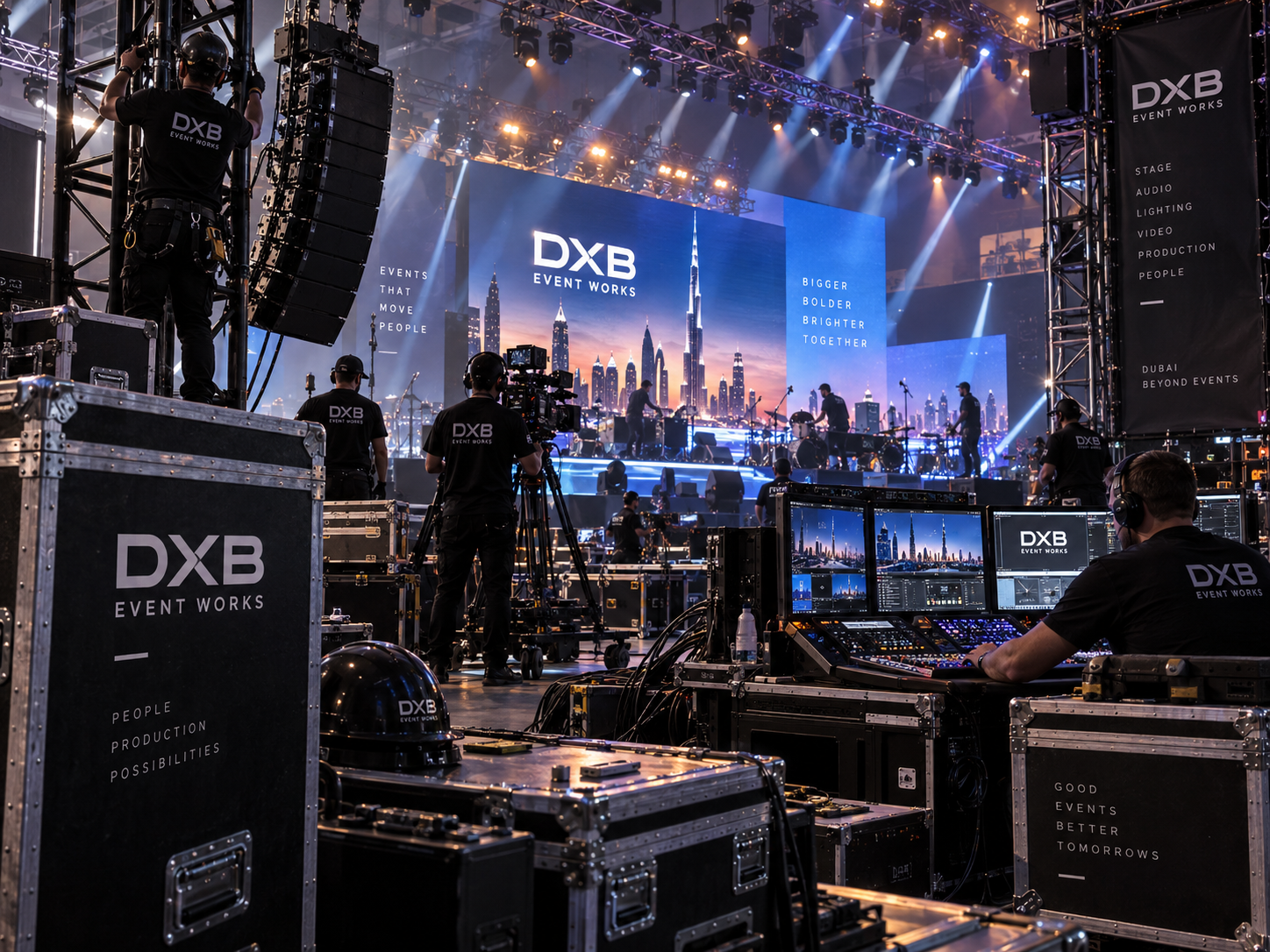
Depending on the event, this could include:
- Sound
- Wireless microphones
- Staging
- Lighting
- LED screens
- Projection
- Video playback
- Presentation systems
- Technical crew
- Show calling
- Rigging
- Power
- Backline
- Special effects
A small meeting may need very little.
A conference, awards night or live event may need substantial technical infrastructure.
The important question is not simply whether the venue has AV.
It is whether the existing AV is suitable for what you are planning.
A venue projector and two speakers may be perfectly adequate for a small meeting.
They may be completely unsuitable for a gala dinner involving live entertainment and a large audience.
Entertainment
Entertainment budgets can range from relatively modest to substantial.
The cost depends on the act, number of performers, performance length, demand, technical requirements and event date.
Entertainment might include:
- DJs
- Solo musicians
- Bands
- Walkabout performers
- Magicians
- Specialty acts
- Hosts or MCs
- Bespoke shows
- Headline acts
It is also important to consider the production required to support the entertainment.
A band’s fee is not necessarily the total band cost.
The event may also need sound, stage monitoring, backline, lighting or additional crew.
That is why entertainment and production should be budgeted together.
Décor, Styling and Theming
Décor can range from very simple to highly elaborate.
At one end, the venue may need only table centrepieces and light branding.
At the other, the entire space may be transformed.
Possible costs include:
- Furniture
- Centrepieces
- Draping
- Scenic elements
- Floral design
- Custom builds
- Props
- Entrance features
- Lighting
- Branded elements
- Installation and removal
The budget should reflect how much physical transformation the event actually needs.
Not every event benefits from extensive décor.
Sometimes investing in strong lighting and production creates more impact than filling the room with decorative items.
Branding and Creative
Corporate events often require visual materials before and during the event.
This might include:
- Invitations
- Event identity
- Digital artwork
- Registration graphics
- Stage visuals
- Screen content
- Signage
- Name badges
- Menus
- Sponsor branding
- Printed materials
The creative cost can be relatively small for a simple internal event.
For larger conferences, product launches or public-facing events, it can become a major workstream.
Budgeting for creative early also helps avoid rushed design work immediately before the event.
Registration
Registration can be as simple as a printed guest list.
It can also involve:
- Online registration
- RSVP management
- Delegate databases
- QR codes
- Badge printing
- Registration desks
- Hosts
- Scanners
- On-site support
The right setup depends on the number and type of guests.
For larger corporate events and conferences, professional registration can significantly improve the arrival experience.
Photography and Video
Event photography and video are often treated as optional extras.
For many corporate events, they are important.
Content may be needed for:
- Internal communications
- Social media
- Marketing
- Press
- Future event promotion
- Company archives
Costs vary according to the number of photographers or videographers, event duration and post-production requirements.
More complex requirements might include:
- Highlight videos
- Same-day edits
- Interviews
- Live camera feeds
- Multi-camera recording
- Drone filming where permitted
If content matters after the event, plan for it before the event.
Transport
Transport can become a meaningful cost for destination events, conferences and offsite programmes.
This may include:
- Coaches
- Shuttle buses
- Executive cars
- Airport transfers
- VIP transport
- Driver waiting time
Transport costs depend on the number of vehicles, duration, distance and schedule.
They should also be considered when comparing venues.
A cheaper venue located far away may create additional transport costs that cancel out the saving.
Staffing
Many events require more staff than the client initially expects.
This might include:
- Event managers
- Registration staff
- Hosts and hostesses
- Stage managers
- Technical crew
- Runners
- Security
- Ushers
- Drivers
- Entertainment support
Staffing requirements usually increase with guest numbers and event complexity.
They also increase when the event runs across multiple rooms or locations.
Logistics
Logistics is one of the least visible areas of an event budget.
It may include:
- Delivery
- Collection
- Storage
- Supplier access
- Freight
- Loading
- Setup
- Dismantling
- Crew transport
- Overtime
- Waste removal
Guests rarely see these costs.
The event cannot happen without them.
This is particularly important for outdoor events, large productions and venues where access is restricted.
Permits and Approvals
Depending on the event, there may also be costs connected with permits, approvals or venue requirements.
These can vary according to the venue, event format, entertainment and production involved.
Responsibility should be established early so there are no surprises close to the event.
Event Management
Event management itself also forms part of the budget.
This covers the work required to bring the different components together.
Depending on the project, that may include:
- Brief development
- Supplier sourcing
- Quotations
- Venue coordination
- Production planning
- Entertainment booking
- Running orders
- Supplier schedules
- Client communication
- Site visits
- Rehearsals
- On-site management
- Post-event coordination
The value is not simply in making individual bookings.
It is in making sure those bookings work as one event.
Why Budget Matters Early
Some clients hesitate to share a budget because they worry that suppliers will simply quote up to the available amount.
In practice, withholding the budget often makes planning less efficient.
A corporate event could realistically be designed at several completely different levels.
Without knowing whether the available budget is relatively modest or substantial, an event company can spend significant time preparing ideas that are completely unsuitable.
A realistic budget range helps answer questions such as:
Should the event use the venue’s existing AV or install a full production setup?
Should entertainment involve one strong act or several entertainment moments?
Does the venue need to be transformed or lightly styled?
Is guest transport feasible?
How much should be allocated to catering?
The purpose of asking for a budget is not to spend every dirham available.
It is to design something realistic.
Where Should the Budget Go?
There is no universal percentage split.
The correct allocation depends on what matters most to the event.
For a conference, production and delegate experience may take priority.
For a gala dinner, catering, entertainment and atmosphere may be more important.
For a product launch, staging, creative and content could carry more weight.
For a destination event, accommodation and transport may dominate.
The budget should reflect the event’s objective.
Trying to spend equally across every area rarely produces the strongest result.
Protect the Essentials First
Whatever the event, certain fundamentals should normally be protected.
Guests need to be comfortable.
They need to hear what is happening.
The event needs to run safely.
The key content needs to work.
Essential logistics need to be covered.
Once those elements are secure, the remaining budget can be allocated toward enhancements.
That is usually better than spending heavily on one visible feature while leaving weaknesses elsewhere.
Be Careful With Late Additions
Event budgets often increase because requirements are added after the original scope has been agreed.
Examples include:
- Additional screens
- More entertainment
- Extra guests
- Extended timings
- Additional transport
- New branding
- Extra rehearsal time
- Additional catering
- Last-minute content changes
Some changes are unavoidable.
Others happen because the full event was not considered early enough.
A good planning process identifies as many requirements as possible before major commitments are made.
Include Contingency
Larger events should usually allow some financial contingency.
Changes happen.
Guest numbers can move.
Technical requirements can change.
Weather can affect outdoor plans.
Transport may need to be adjusted.
Additional crew may be required.
The appropriate contingency depends on the event, but having no flexibility at all can create unnecessary pressure.
A Budget Should Be a Planning Tool
An event budget should not simply be a spreadsheet of expenses.
It should help the team make decisions.
If additional spending is proposed in one area, the question should be:
What difference will this make to the event?
If the impact is limited, the money may be better spent somewhere else.
That is the difference between simply buying event services and actively managing an event budget.
Planning an Event in Dubai?
At DXB Event Works, we coordinate the suppliers, production, entertainment, logistics and on-site delivery around the complete event brief rather than treating each element in isolation.
If you are planning a corporate event in Dubai or elsewhere in the UAE, send us the event date, venue if known, guest numbers, timings, scope and realistic budget range.
From there, we can help identify where the budget needs to go, where it can be protected and how to build an event that works from first brief through to final delivery.
Need to turn a budget into a workable event?
DXB Event Works can help shape the brief, identify the priorities and coordinate the right suppliers and services around the available budget.